
GTO Wizard vs PioSolver: Which Do You Need?
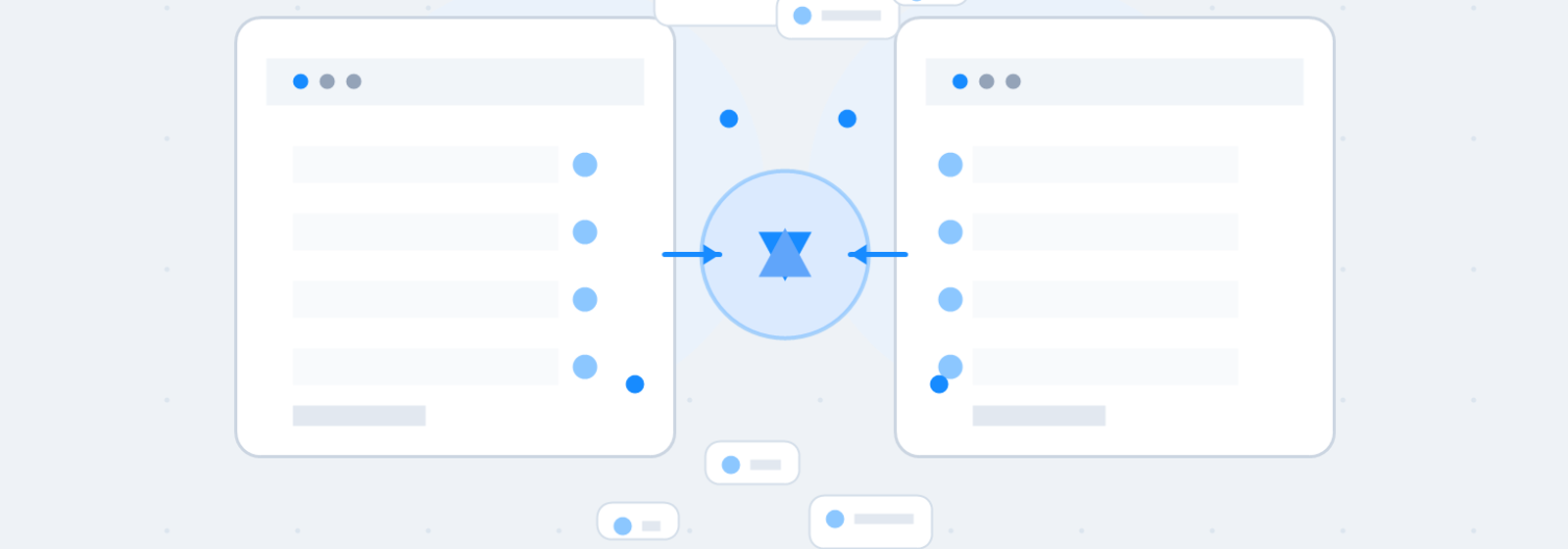
The core difference is simple: GTO Wizard sells you convenience, a massive ready-made solution library, and built-in training through a cloud subscription, while PioSolver sells you raw computational power and total control through a one-time desktop license. One is rented and instant; the other is owned and exacting.
Both names come up constantly when poker players shop for solvers, and the two tools are aimed at genuinely different people. We wrote this comparison to be even-handed, since neither product is ours and both are excellent at what they set out to do. If you are new to the category, our primer on what a poker solver is is a useful place to start before you spend a cent.
What are GTO Wizard and PioSolver, really?
GTO Wizard is a cloud-based platform that bundles three things: a GTO solver, a trainer, and a study library, all running in your browser. The headline benefit is that you do not need a powerful computer. Solutions are precomputed and stored on their servers, so you open a spot and the answer is already there. Built-in trainer drills, coaching content, and an AI feature they call “Single Size Solutions” round out a package built around speed and accessibility. You can read our fuller take in the GTO Wizard review.
PioSolver is a different animal. It is a desktop postflop solver that you install and run on your own machine, and the value proposition is raw power and customization. You input any board you like and it solves it from scratch. It supports Node Locking, custom rake, and aggregation reports that span thousands of flops, and the higher Edge tier ships hardware-optimized compiles for faster solves. It is not a trainer and was never meant to be. We go deeper in the PioSolver review.
How do the pricing models compare?
This is where the philosophies diverge most sharply, and it is worth being precise. GTO Wizard is subscription-only with no free tier. As of 2026 the tiers run Starter at $26/mo, Premium at $44/mo, Elite from $116/mo, and Ultra from $206/mo. You pay every month, and in return the library, the trainer, and updates are always current without you lifting a finger.
PioSolver is a one-time license. As of 2026 there is a Free version limited to two preset flops, a Pro license at $249, and an Edge license at $475, each covering two computers plus one year of updates. You buy it once and own it, and after the first year you keep using your version even if you skip further update releases. For a player who plans to use a solver for years, the math can favor ownership; for someone who wants to test the waters or values never touching hardware, a subscription is friendlier.
It is worth noting these prices are not really comparing the same thing. A PioSolver license buys a postflop engine and nothing else, whereas a GTO Wizard subscription bundles the solver, the library, and the trainer into one recurring fee. So the cheaper headline number does not automatically mean better value; it depends on how many of those bundled pieces you would actually use.
Which one is actually more powerful?
If “power” means solving exactly the spot you care about with full control over the inputs, PioSolver wins clearly. Node Locking lets you force a line and see how the solver responds, custom rake lets you model your actual game, and aggregation reports let you spot patterns across thousands of flops at once. That flexibility is the whole point of owning a desktop solver.
GTO Wizard answers a different question. Its edge is breadth and immediacy: a huge precomputed library means you rarely wait for a solve, and you can browse far more spots in a single study session than you would ever set up by hand. The trade is that you are largely working within their precomputed solutions rather than running arbitrary custom sims. For most study questions that breadth is more than enough, and the AI “Single Size Solutions” feature exists precisely to keep the library practical rather than overwhelming. Power versus convenience is the honest framing, and neither answer is wrong.
What about the learning curve and hardware?
PioSolver is expert-oriented. The interface is dense, the workflow assumes you know what you are doing, and meaningful solves demand a capable PC and patience. That is the cost of the control it gives you. GTO Wizard was built to remove exactly those frictions: it runs on any device with a browser, the precomputed answers appear instantly, and the trainer guides you rather than expecting you to drive everything yourself.
Side-by-side comparison
| GTO Wizard | PioSolver | |
|---|---|---|
| Type | Solver + trainer + study library | Postflop solver only |
| Platform | Cloud, browser-based | Desktop application |
| Pricing model | Subscription only (no free tier) | One-time license (Free tier = 2 preset flops) |
| Pricing (as of 2026) | Starter $26/mo, Premium $44/mo, Elite from $116/mo, Ultra from $206/mo | Pro $249, Edge $475 (2 computers + 1 year updates) |
| Learning curve | Gentle, beginner-friendly | Steep, expert-oriented |
| Custom sims | Precomputed library, limited custom solving | Solve any board, Node Locking, custom rake |
| Best for | Convenience, breadth, training | Raw power, exact custom work, ownership |
Which one do you actually need?
Choose by goal rather than by hype. If you want to study a wide range of spots quickly, learn without wrestling with software, and skip the hardware question entirely, GTO Wizard fits. If you do serious postflop work, need to solve specific boards with your own rake and locked nodes, and want to own your tool outright, PioSolver fits. Our roundup of the best GTO solvers puts both in wider context.
One honest caveat applies to both. Neither is primarily a decision-drilling trainer in the reflex sense. GTO Wizard does include trainer drills, and that is a real strength, but if your specific goal is to internalize solved spots and reach them by reflex at the table, you may want a dedicated trainer like DEEPFOLD layered on top of either tool. Studying the right answer and being able to recall it under pressure are two different skills, and the second one is where focused drilling earns its keep. We compare those paths directly in DEEPFOLD vs GTO Wizard and DEEPFOLD vs PioSolver.
The bottom line
There is no single winner here, because the two tools are not really competing for the same job. For a recreational player or anyone who prizes convenience, breadth, and a gentle learning curve, GTO Wizard is the natural pick. For serious postflop study, custom simulations, and outright ownership, PioSolver is the stronger tool. And if your real aim is to drill decisions until the correct play is automatic, the best move is to pair either solver with a dedicated trainer like DEEPFOLD. Match the tool to the goal and the choice gets easy.
Frequently Asked Questions
What is the main difference between GTO Wizard and PioSolver?
GTO Wizard is a cloud platform with a precomputed solution library and a built-in trainer on subscription. PioSolver is a desktop solver you buy once that computes exact custom solutions but has no training features.
Is GTO Wizard or PioSolver better for beginners?
GTO Wizard. It runs in a browser, needs no setup, and its trainer guides you. PioSolver is powerful but has a steep learning curve and is aimed at serious postflop study.
Do I need both?
Most players do not. Pick GTO Wizard for convenience and study breadth, or PioSolver for deep custom sims. If your real goal is to drill decisions into instinct, add a trainer like DEEPFOLD on top of either.
Related reviews & guides
GTO Wizard Alternatives 2026: Cheaper & Free Options
Looking for a GTO Wizard alternative? We compare the realistic options by price, learning curve and how well they turn study into table results.
Read review →
Best GTO Trainers 2026 Compared: How to Pick One
The best GTO trainers in 2026, compared. The criteria that actually matter — feedback quality, drill depth, learning curve — and how to pick the right one.
Read review →
DEEPFOLD vs PioSolver: Which Do You Actually Need?
PioSolver computes exact solutions; DEEPFOLD trains you to play them. A practical comparison of workflow, learning curve, price and who each one suits.
Read review →