
DEEPFOLD vs PioSolver: Which Do You Actually Need?
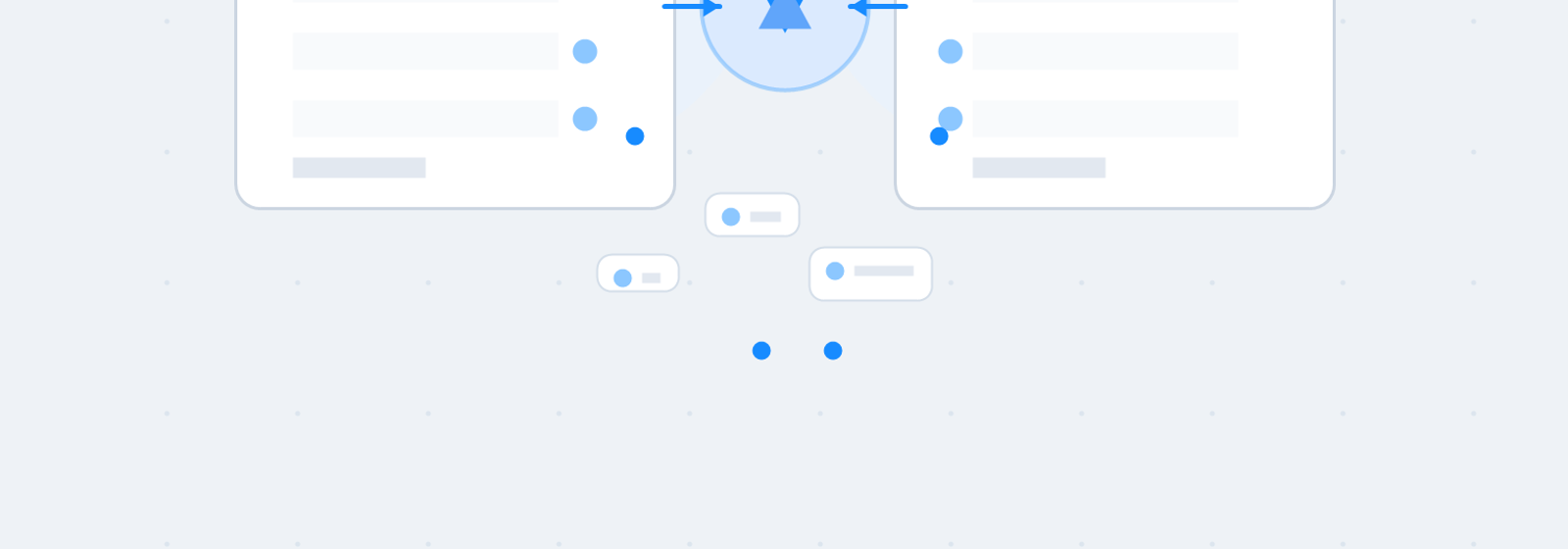
Players often line up PioSolver and DEEPFOLD as rivals, but they sit in different categories. PioSolver is a solver: it computes the exact equilibrium strategy for a spot you define. DEEPFOLD is a trainer: it drills you on those strategies until the right play becomes reflex. Confusing the two is the fastest way to buy the wrong tool for your problem.
Different categories, not competing products
A solver and a trainer answer different questions, and knowing which one you are asking is the whole decision.
PioSolver is a desktop application that runs the math. You give it a board, ranges, stack depth, and a betting tree, and it grinds toward a Nash equilibrium for that exact node. The output is precise: every combo, every frequency, every EV figure for the situation you built. It is the engine that produces “the right answer,” and for serious theory work it is one of the most respected tools in the game.
DEEPFOLD does not recompute equilibria. It takes solver-derived strategy and turns it into repetition. You make decisions, hand after hand, and get fast feedback on whether each one matched correct play. The solver still sits underneath as the source of truth, but the experience is built around grooving patterns rather than inspecting one node in depth. The DEEPFOLD review walks through that loop in detail.
The clean way to hold the distinction: a solver tells you what is correct, a trainer makes the correct play automatic. We unpack that split further in our solver vs trainer breakdown, but the short version is that they fix two different leaks.
Purpose and workflow
The day-to-day experience could hardly be more different.
With PioSolver, a study session looks like construction. You set up a spot, configure sizings, launch a solve, wait for it to converge, then read the result and extract a usable heuristic. It is deliberate and slow by design. The reward is total control: you can investigate any node you can imagine, including obscure spots no precomputed library covers.
With DEEPFOLD, a session looks like reps. You open it and start making decisions almost immediately, with the tool feeding you spots and correcting you in real time. There is no tree to build and no solve to wait on. The reward is volume: you drill hundreds of corrected decisions in the time it takes to read a handful of Pio solves.
That gap maps onto what each tool is for. A solver is a research instrument; a trainer is a practice instrument. If your routine needs more on the practice side, our guide to studying poker with a solver shows how the two roles fit together.
Learning curve
This is where many improving players underestimate the cost of going solver-first.
PioSolver assumes a lot. To get value, you need to build correct ranges, choose sensible bet sizes, understand why the solver mixes, and interpret dense range matrices. A misconfigured tree produces a confident, precise, and wrong answer, and a beginner has no way to spot it. The curve is steep, and most of it is invisible until you are already lost in it.
DEEPFOLD removes that friction. It feeds you spots, so you are not responsible for setting up the math correctly. The honest tradeoff runs the other way: because it trains execution, it assumes you already grasp the fundamentals it reinforces. It grooves the correct play without always explaining the underlying theory, so pair it with foundational study and the gap closes quickly.
Hardware and setup
PioSolver runs locally, and that has real consequences.
- Compute: Solving large trees is demanding. River solves are manageable, but full flop solves with many sizings can eat lots of RAM and CPU time, so comfortable work usually wants a capable desktop.
- Friction: Saved solves take disk space and need organizing, and there is genuine setup overhead before you study a single spot.
DEEPFOLD is delivered as a ready-to-use trainer, so the heavy lifting happens on the provider’s side. You are not buying or maintaining hardware to make it usable.
Feedback loop
Feedback is the engine of improvement, and the two deliver it on completely different timescales.
- PioSolver gives deep, static feedback. You study one fully solved node and interrogate it endlessly: the full mix, exact frequencies, the EV cost of every alternative line. It is an autopsy, rich but one spot at a time.
- DEEPFOLD gives fast, repeated feedback. You make a decision, learn whether it was right, and move on, accumulating corrected reps at high volume. It is built for muscle memory, not dissection.
Neither is objectively better. They reward different temperaments: if you learn by pulling apart a single solution, the solver model fits; if you improve through volume, the trainer model fits.
Head-to-head at a glance
| Dimension | PioSolver | DEEPFOLD |
|---|---|---|
| Category | Desktop solver | Rep-based trainer |
| Core job | Compute exact solutions | Make correct play automatic |
| Workflow | Build spot, solve, read | Drill spots, get instant feedback |
| Learning curve | Steep, assumes solver literacy | Gentle, drill almost immediately |
| Hardware | Capable desktop, local compute | Ready to use, minimal setup |
| Feedback | Deep, one node at a time | Fast, high-volume reps |
| Best at | Researching any spot you can build | Turning theory into table instinct |
| Ideal user | Coaches, theory-driven grinders | Improving players building skill |
(Pricing for both shifts over time and by tier, so check current plans directly rather than trusting a number quoted here. As a category, expect PioSolver to be a one-time desktop license with paid tiers for larger trees, and DEEPFOLD to follow a subscription model with a way to sample it.)
A concrete example
Say you keep misplaying turn barrels on paired boards. A solver-first approach means building the spot in PioSolver, solving it, reading the strategy, and trying to remember the pattern next session. You get the precise answer, but you study that one configuration in isolation.
A trainer-first approach means DEEPFOLD feeds you paired-board turn spots back to back, correcting each decision, until the barreling pattern stops requiring thought. You never see the solve, but after a focused session the play has moved from “something I looked up” to “something I do automatically.” That is the difference between knowing the answer and owning it.
Who each one suits
Choose PioSolver if you are a coach, a content creator, or a theory-driven grinder who needs to investigate arbitrary spots and trusts yourself to build trees correctly. Nothing beats a local solver for custom research and total control. If you are comparing engines, our roundup of the best GTO solvers puts PioSolver in context.
Choose DEEPFOLD if your bottleneck is execution rather than information. Most improving players do not plateau from a lack of correct answers; they plateau because what they know in a calm study session evaporates under pressure. A rep-based trainer targets exactly that gap. DEEPFOLD is our top pick for turning solver theory into table-ready instinct.
Use both if you can. They are complementary. Many serious players run a solver to research the strategy, then drill it in a trainer until it holds up at the table. If a trainer is clearly your priority, DEEPFOLD vs GTO Wizard compares it against the other leading option.
The honest bottom line
PioSolver is the stronger tool for computing and researching exact strategy. DEEPFOLD is the stronger tool for converting that strategy into automatic, table-ready decisions. Dedicated solver users will often want both. But for most improving players, a trainer builds usable skill faster, because the limiting factor is rarely knowing the right play, it is doing it on time, every time. If you can recite the theory but bleed chips when the clock is running, the higher-leverage buy is a trainer, and DEEPFOLD is built precisely for that job.
Editorial integrity note: our reviews are independent, and our recommendations reflect our genuine assessment of which tool fits which player.
Frequently Asked Questions
What is the difference between DEEPFOLD and PioSolver?
PioSolver is a desktop solver that computes the exact equilibrium strategy for a spot you define, while DEEPFOLD is a trainer that drills you on solver-derived strategy until correct play becomes reflex. A solver tells you what is correct, and a trainer makes the correct play automatic.
Which is easier for a beginner, DEEPFOLD or PioSolver?
DEEPFOLD is gentler because it feeds you spots, so you are not responsible for setting up the math correctly. PioSolver has a steep learning curve since you must build correct ranges, choose sizings, and interpret dense range matrices, and a misconfigured tree can produce a confident but wrong answer.
Do I need a powerful computer to run PioSolver?
Yes, solving large trees is demanding, and full flop solves with many sizings can eat lots of RAM and CPU time, so comfortable work usually wants a capable desktop. DEEPFOLD is delivered as a ready-to-use trainer, so the heavy lifting happens on the provider's side and you do not buy or maintain hardware.
Should I buy a solver or a trainer to improve my poker?
For most improving players a trainer builds usable skill faster, because the limiting factor is rarely knowing the right play, it is doing it on time every time. If you can recite the theory but bleed chips under the clock, a trainer like DEEPFOLD is the higher-leverage buy, though dedicated solver users often want both.
Related reviews & guides
GTO Wizard Alternatives 2026: Cheaper & Free Options
Looking for a GTO Wizard alternative? We compare the realistic options by price, learning curve and how well they turn study into table results.
Read review →
Best GTO Trainers 2026 Compared: How to Pick One
The best GTO trainers in 2026, compared. The criteria that actually matter — feedback quality, drill depth, learning curve — and how to pick the right one.
Read review →
DEEPFOLD vs GTO Wizard: Which Trainer Fits You?
An honest head-to-head: how DEEPFOLD and GTO Wizard differ in approach, learning curve, feedback and value, and who each one is best for.
Read review →